Cleaning Tile Floors
How to Clean Tile Floors.
Cleaning Tile Floors Quickly and Easily
The floor is easily the biggest surface in the home that has to be cleaned and it can also be the biggest pain in the neck.
Cleaning tile floors clean can be a nightmare, especially if you happen to have multiple types of tile like many people can have.
No matter what type of tile floor you have, there are two rules to live by to keep your floors looking great:
- Wipe up spills the moment they happen to avoid serious stains or damage
- Routine cleaning prevents the need for strong chemicals and hard scrubbing
Well, there are really more than two rules, but for the sake of brevity we’ll just leave it at that for now!
I’ve cleaned 100’s of tile floors and that makes me a qualified tile floor cleaning expert!
Come with me and I’ll teach you how to be an expert tile floor cleaner too.
Clean Tile Floors Routinely
Tile floors need to be routinely cleaned, but many people wait until the floor is so dirty they can’t stand it any longer.
The problem is that harsh chemicals are bad for any floor there is. You also have to work harder to get the floor clean.
Maintenance cleaning is done on a more frequent basis, before things get out-right disgusting. Keeping on top of cleaning your dirty floors will save you some serious hands-and-knees scrubbing too!
Clean Spills Quickly
For spills, you should keep absorbent cloths handy. It’s important to remember that plain water and tracked in dirt are also ‘spills’.
You will have stains and extra work to clean your flooring if you don’t clean up muddy footprints around your door mat or water that has been tracked in right when it happens.
To make life easier, keep a towel near the door during snowy or rainy weather. Door mats go a long way in keeping floors clean. You might create and enforce a “no shoes” rule when there is snow, rain, or mud outside. When pets come in from outdoors during bad weather, wipe their feet with a towel before they are allowed to enter.
Cleaning, Damp Dusting & Mopping Tile Floors
No matter what material makes up your tile flooring, maintenance cleaning is the same:
- Dust, vacuum or sweep often
- Damp mop your floors weekly
Choose your Dust Mop
First, get a fluffy, soft dust mop.
Get a quality product where the dust mop part can be removed and washed. You can save money by throwing it in the washing machine when it gets dirty, and it can be replaced when necessary.
The disposable dust mops might be okay for some; but I don’t recommend them because they are expensive and they don’t do that great of a job anyway-particularly if there is serious scrubbing that needs to be done.
Invest your money instead in a sturdy and long lasting dust mop. I’ll show you the kind of dust mop we use and also tell you the special way that professional house cleaners use a dust mop to help to damp mop the floor below.
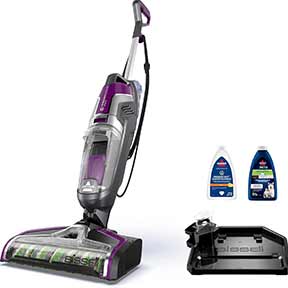
Bare floor vacuum attachments and rubber prong brooms are also good investments to keep your tile floors clean. These cleaning tools are all simple to use but mostly they do an excellent job, time after time and that’s what’s most important.
Damp Mopping
Damp mopping is so simple and effective. Imagine not applying harsh chemicals to your floor, not having to breathe in fumes, but still getting your floors clean, and keeping them clean. Usually, a damp mop is all it takes.
If you clean your floors routinely, that’s all the cleaning a tile floor will need.
It’s true!
We clean 100’s of houses each week and tile floors will stay nice and shiny with just damp mopping.
You might think that a damp mop won’t get your floor clean enough. Unless you are slopping raw chicken around on your floor or are growing bacteria in the corner as some sort of science project, it will usually get your floors clean – especially if you would otherwise put off cleaning them at all until they are “dirty enough.”
Pet accidents, dropped chicken, and other spills should be cleaned with an actual cleanser right when they happen.
The trick to effective damp mopping is that you need to keep up on cleaning the floor!
My Secret ‘Quick-n-Easy’ Tile Floor Cleaning Method
Maybe not so much of a secret any longer…
I’m assuming that your floor has not been seriously neglected! If your floor and a mop have not met up in quite some time, you may need to use stronger methods and cleaners than what I am going to review right now.
A damp mop won’t be nearly enough if you haven’t touched your tile floors in a month or more (Get out your scrub brush and knee pads if that’s the case)
After a tile floor has been scrubbed clean and routine maintenance cleaning is in order, there is a quick and easy 3-step process that can keep the tile really clean:
- Vacuum or sweep thoroughly (important!)
- Mop the tile
- Dry the floor
Here’s the Secret to Getting Tile Floors REALLY Clean
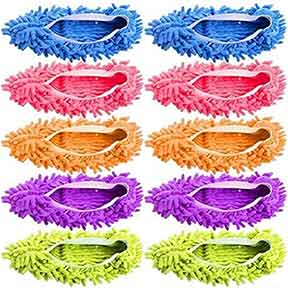
At Mrs. Clean, we use a regular mop to wet the floor and remove dirt, but we use a wet/dry shine mop to go over the floor again to dry the tile and to pick up any remaining dirt that has not been removed by vacuuming, sweeping, or mopping alone.
You will be very pleasantly surprised at what an excellent job this will do.
After the floors have been completely swept or vacuumed.
- Fill a bucket with your cleaning solution and clean, warm water.
- Dip your mop in the water and wring it out.
- If you have laminated or flooring easily damaged by liquid, wring it out twice.
- Mop your floor, being sure to rinse your mop frequently.
- When the mop water gets dirty, refill the bucket with clean water.
- While the floors are still wet, put the terry cloth cover on the shine mop or dust mop, and go over the floor, drying the floor and picking up dirt and debris that was missed earlier.
It’s simple, and for the average floor, that’s all you need!
Tile Cleaning Solutions
The cleaning solution you select depends on the type of tile and the type of grime you have in your home.
When stronger cleaning is required, these solutions work well for all types of grime.
Ceramic Tile
The tile itself will almost always get really clean with just a damp mop.
Mix 1/2 cup of white vinegar with one gallon of warm water. Vinegar does not need to be rinsed. It cuts grease and deodorizes, and using a shine mop or towel to dry the tile afterwards will give ceramic tile a very nice shine.
You can also use 1/2 cup of plain rubbing alcohol if you’d prefer instead of the vinegar.
Vinyl Tile
Mix 1/2 cup of white vinegar with one gallon of warm water. Wring your mop well (twice is best), and then apply to the floor.
Stone Tile
Stone tiles can be fragile and usually require a special pH neutral cleaner. Acids like vinegar will destroy marble tiles!
If you want a homemade alternative to a special stone flooring cleaner, try mixing;
- 1 Tbs. Murphy Oil Soap
- 2 gallons warm water
Rinse completely with plain water afterward to remove the soap residue and use a shine mop (or towel) to dry the tile afterwards to give the stone tile a very nice shine.
Removing Wax from Tile Floors
If you have wax build-up and want an alternative to commercial strippers, you can make your own version with:
- 1 cup laundry detergent
- 1/2 cup ammonia
- 1 gallon of warm water
You’ll need to use a stiff brush to help with the wax removal process, so only apply the solution to one area of the floor at a time.
Yes, it takes a little time, but if you keep up on it, your tile floors will be clean and will take much less time to stay clean.
Floor Supplies
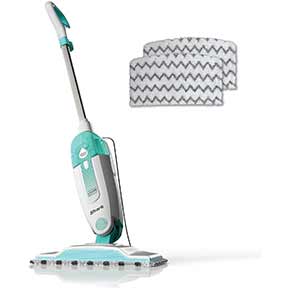
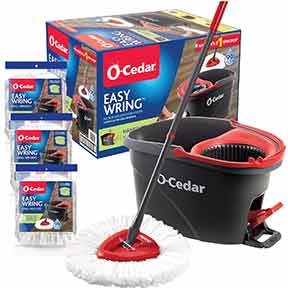
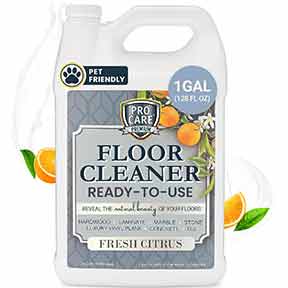
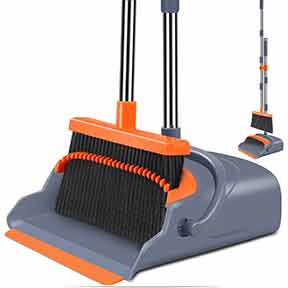
Follow Us on Facebook


Similar Articles