How to Polish and Shine Wood Furniture
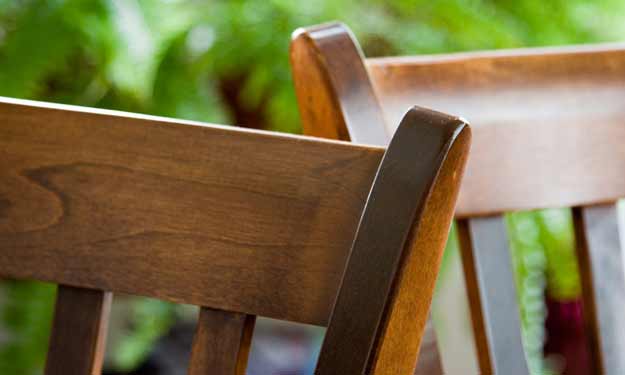
Tips for Cleaning and Polishing Wood Furniture.
How to Polish and Shine Wood Furniture
Wood furniture is timeless, unlike your shag rug from the seventies. To preserve its natural beauty, regular polishing is essential. With these tips on how to polish and shine wood furniture, even your oldest wood furniture can look like new.Important Facts before You Start
- Only use oil on wood with an oil finish: Furniture oils like Tung and Linseed oil evaporate, become tacky, and dry to a hard, protective finish. However, they are not suitable for all wood finishes.
- Oil and wax don’t mix: Never add wax to wood with an oil finish or oil to wood with a wax finish. The chemical reaction between them will degrade both, making the wax opaque and attracting dirt and dust.
- Avoid olive or vegetable oil: These oils can go rancid, leaving your furniture with an unpleasant smell.
- Only damp dust polyurethane finishes: Wax and polish can damage these finishes.
- Avoid silicone polish: While shiny, it doesn’t nourish the wood and is difficult to remove. It should only be used as a last resort.
Wood Polishes and Natural Recipes
Wood Polish: Used to protect against abrasions and provide a shiny appearance. It evaporates more quickly than wax but is easier to apply. Mineral Oil and Vinegar Polish:- 1 cup mineral oil
- 1/4 cup white distilled vinegar
- 1 quart mineral oil
- 1 tablespoon lemon extract
Wood Waxes
Wood Wax: Often contains beeswax, creating a protective seal that keeps moisture in and repels stains. Unlike the glossy finish of polish, wax leaves a glowing sheen.- Colored or Pigmented Wax: Enhances wood color and conceals nicks and scrapes. Leaves a warm satin sheen.
- Clear Wax: Suitable for all wood types, providing a high glossy finish. Apply sparingly and buff well.
- Pine Wax: Ideal for unfinished and light-colored wood, giving it a deep, rich tone. Can be topped with clear wax for extra shine.
How To Polish and Wax Wood
Polishing Wood
- Gather your tools: wood polish, clean cotton rags, a soft bristle brush, and a soft buffing cloth.
- Apply wood polish to a clean cotton rag and wipe with the grain.
- For intricate details, use a soft bristle brush in a circular motion.
- Apply additional layers as needed, allowing the polish to saturate.
- Buff with a soft cloth to remove excess polish.
Waxing Wood
- Apply a small amount of wood wax to a clean cotton rag and wipe with the grain.
- Let the wax set for an hour.
- Apply additional layers if needed.
- Buff with a clean, soft cloth to remove excess wax.
Related Articles
Dusting and Cleaning Wood PanelingFurniture Cleaning