Removing Milk Stains
 </p>
</p>
Milk Stain Removal
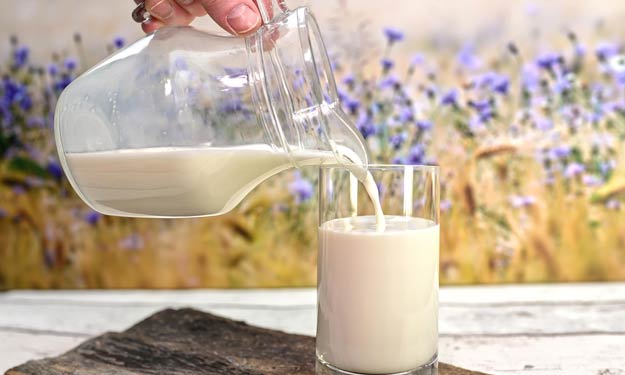
Milk is a staple in many households, but when it comes to removing milk stains, it can be surprisingly tricky. It’s a protein- and fat-based substance, which means it can cling to fabrics, carpets, and other surfaces if not treated promptly. Whether it’s on your child’s clothes, a tablecloth, or a plush carpet, addressing the stain quickly and correctly is key to preventing lingering odors and permanent marks. Here’s a comprehensive guide to help you tackle milk stains effectively.
Steps for Removing Fresh Milk Stains
Acting quickly gives you the best chance of complete removal. Follow these steps as soon as the milk hits the surface:
Blot the Stain
- Use a clean cloth or paper towel to gently blot the milk. Avoid rubbing, which can push the stain deeper.
Rinse with Cold Water
- Cold water helps prevent the protein in milk from setting. Hold the stained area under running cold water or soak it briefly if possible.
Apply a Cleaning Solution
- Mix a few drops of mild detergent with warm water.
- Work the solution into the stain using your fingers, a soft brush, or a sponge.
Pretreat for Stubborn Stains
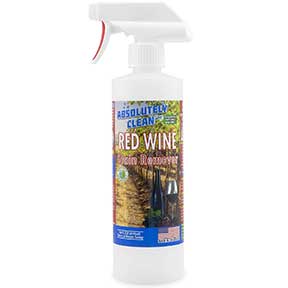
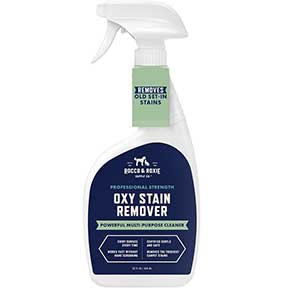
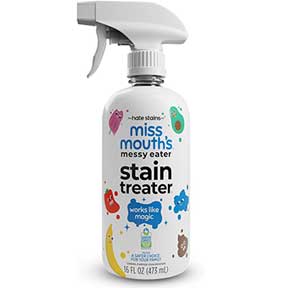
- Apply a pre-treatment product or extra detergent directly to the stain.
- Let it sit for 5–10 minutes before laundering. Do not let it dry.
Soak if Needed
- For persistent stains, soak the fabric in room-temperature water for 20–30 minutes before washing.
Follow Care Instructions
- Always check the garment’s label for proper washing instructions to avoid damage.
Handling Old or Dried Milk Stains
Dried milk stains are tougher but not impossible to remove.
- Scrape off Crusty Residue: Use a dull knife to gently remove dried milk flakes.
- Pretreat Thoroughly: Rub detergent into the remaining stain or apply a stain remover.
- Soak: Submerge the fabric in room-temperature water for 30 minutes to loosen set-in residue.
- Wash as Usual: Launder following the care instructions, repeating pretreatment if necessary.
Even old stains may not come out completely, but careful, repeated treatment often gives excellent results.
General Tips for Removing Milk Stains
- Blot, Don’t Rub: Always blot excess milk immediately to reduce penetration.
- Cold Water is Crucial: Hot water can cook the proteins in milk, setting the stain permanently.
- Use Bleach with Caution: Only on bleach-safe fabrics.
- Portable Cleaning: When washing isn’t an option, blot the stain with cold water, then work in a small amount of detergent. Alcohol diluted with water (2:1) can also help lift stubborn spots.
Removing Milk Stains from Carpets and Rugs
Milk spills on carpet can quickly lead to odors and discoloration if untreated.
Absorb Liquids Immediately
- Absorb as much liquid as possible. For dried milk, scrape away debris carefully.
Apply Isopropyl Alcohol
- Dampen a terry cloth with rubbing alcohol and blot the stain. This helps transfer the milk from carpet fibers to the cloth.
Dish Soap Solution
- Mix 1/4 teaspoon of dish soap with 1 quart of water.
- Blot the area gently, working the solution into the stain. Avoid bleaching products.
Rinse with Warm Water
- Use a spray bottle to mist the area lightly, then blot dry with a clean towel.
Hydrogen Peroxide for Stubborn Stains
If the stain persists, apply hydrogen peroxide and let it sit for about an hour before blotting. No rinsing is necessary afterward.
Place a dry cloth over the damp area and add weight to absorb remaining moisture, helping the carpet dry completely.
Removing Milk Stains
These types of stains can be challenging, but removing milk stains successfully is all about quick action and proper treatment. By following these steps for fabrics, carpets, and other surfaces, you can prevent lingering odors and discoloration. Quick blotting, cold water, pretreatment, and the right cleaning solutions will make milk spills much less stressful – keeping your home fresh and your items stain-free.