Hardwood Stain & Scratch Repair
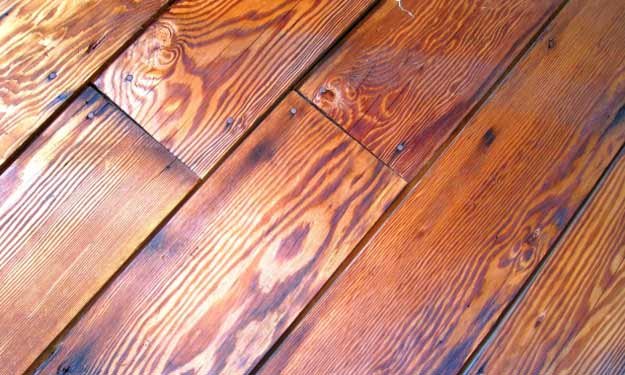
Stains and Scratches can be Removed from Wood Floors with a Little Hard Work and Patience.
How to Remove Stains and Scratches from Wood Floors
Hardwood floors are a beautiful investment, but keeping them flawless takes some know-how. While they’re durable, they aren’t invincible – stains, scratches, and dull spots happen. Learning the basics of hardwood stain & scratch repair can save you time, money, and frustration while helping you avoid costly sanding or refinishing.
Wood floors instantly add warmth, style, and value to your home. But unlike carpets, dirt, spills, and everyday wear show up more quickly. Regular cleaning helps maintain their shine, but sometimes accidents leave behind stubborn stains or unsightly scratches. The good news is that with the right techniques and products, you can restore your wood floors and keep them looking their best.
Know Your Floor Type
Before attempting any stain or scratch repair, confirm whether you have real hardwood or laminate flooring:
- Hardwood floors can be sanded, refinished, and treated more aggressively.
- Laminate floors are more resistant to stains and scratches, but if damaged, replacing the board is usually the best solution. Check with your flooring manufacturer before using any strong chemicals or abrasives.
Identify the Stain Before Treating It
Not all stains are the same, and using the wrong method can make the problem worse. Start by figuring out what caused the discoloration:
- Protein-based stains – food, drinks, or pet accidents.
- Grease and oil stains – cooking splashes, dropped cosmetics, or motor oil.
- Water stains – rings or marks from spills or plant pots.
- Ink, crayons, and markers – common if you have kids.
Once you know the source, you can choose the safest and most effective removal method.
Removing Protein-Based Stains from Hardwood Floors
Protein stains (food, drinks, pet accidents) are among the most common and easiest to tackle if treated quickly:
- Wipe immediately with a damp cloth and mild dish soap.
- Rub gently with a cloth dipped in rubbing alcohol if the stain lingers.
- Use fine steel wool (grade 000) only if necessary, and keep the area damp as you work to avoid scratching.
- Buff and wax the area afterward to restore shine.
For pet urine stains, clean thoroughly with an enzyme-based cleaner designed for hardwood floors to neutralize odors and prevent long-term damage.
Removing Grease and Oily Stains
Because wood is porous, oil can seep deep if left untreated. Act fast:
For Fresh Oil Spills
- Blot immediately with paper towels or a clean cloth – don’t rub.
- Absorb excess oil by sprinkling cornstarch or baking soda directly on the stain. Cover with plastic wrap and a weight (like a book or brick).
- Vacuum or brush away the powder once it absorbs the oil.
- Treat remaining residue with a wood-safe cleaning solvent and wipe clean.
For Old or Set-In Oil Stains
- Mix OxiClean with warm water (about 2 scoops per 16 oz).
- Use a soft-bristled brush to scrub gently along the wood grain.
- Rinse with clean water, dry immediately, and refinish if necessary.
- Always spot-test first, as some products can lighten the wood’s color.
Water Stains
Water stains (white rings and dark marks) are very common, especially from glasses, flower pots, or spills:
- White rings (surface-level): Rub gently with a mixture of baking soda and water or use a wood-safe polishing compound.
- Dark stains (deep-set): Light sanding may be required, followed by staining and sealing the affected area. If the damage is severe, consider calling a professional.
Crayons, Markers, and Ink Stains
Kids can turn hardwood floors into an art project, but there are solutions:
- Crayon marks: Use plain white toothpaste on a damp cloth and gently rub away marks. Wipe clean and dry thoroughly.
- Markers or ink: Apply rubbing alcohol or a commercial solvent like Goof Off to a soft cloth and dab the stain carefully. Always test in a hidden spot first.
Fixing General Scratches and Dull Spots
Not all scratches require sanding. For light scratches and dull patches:
- Use super fine steel wool (000) and gently buff along the wood grain.
- Apply a small amount of paste wax or scratch repair wax sticks available at hardware stores.
- Buff with a soft, dry cloth to blend the repair into the surrounding finish.
- For larger scratches or gouges, consider using a wood filler matched to your floor color, then sand and refinish as needed.
Avoid using furniture polish sprays with silicone, as they can make future refinishing more difficult.
Should You Clean After Stain or Scratch Removal?
Absolutely. Once you’ve removed a stain or scratch, there may be leftover cleaners, waxes, or oils on the surface. Leaving residue behind can:
- Attract dirt and dust
- Cause uneven shine
- Interfere with future protective coatings or sealants
A quick cleaning step ensures the floor looks uniform and stays in good condition.
Best Cleaning Options After Repair
Mild, pH-Neutral Hardwood Cleaners
- Look for products specifically formulated for hardwood floors (e.g., Bona Hardwood Floor Cleaner or similar).
- These are safe for sealed and polyurethane-coated floors.
- Simply spray lightly and wipe with a microfiber mop.
Murphy’s Oil Soap
- Safe for sealed hardwood floors if used sparingly and diluted properly.
- Avoid using it on unsealed, waxed, or oiled wood floors – it can leave a residue or dull the finish.
- Never pour Murphy’s directly on the floor; always dilute according to instructions.
When Murphy’s Oil Soap is a good choice:
- After removing a stain, if you want to clean and lightly condition the wood.
- For older floors that need extra moisturizing.
When to avoid Murphy’s Oil Soap:
- On laminate, engineered wood, or floors with penetrating oil finishes unless the manufacturer explicitly says it’s safe.
- If your floor has been treated with a polyurethane finish and you plan to refinish in the near future, since oily residue can make refinishing trickier.
Damp-Mopping Rules
- Always use a barely damp microfiber mop – never soak hardwood floors.
- Standing water can cause warping, swelling, and long-term damage.
How to Finish Up After Repairs
After cleaning:
- Dry the area thoroughly – hardwood hates excess moisture.
- Reapply protective wax or sealant if needed, especially in high-traffic areas.
- Buff lightly to restore an even shine and blend repaired spots with the surrounding floor.
Preventing Future Stains and Scratches
- Use felt pads under furniture legs to prevent scuffing.
- Clean spills immediately to stop liquids from soaking in.
- Sweep or vacuum often to remove grit and dirt that can scratch surfaces.
- Avoid harsh cleaners – acidic products like vinegar or lemon can strip finishes and damage natural wood.
- Maintain your sealant by reapplying protective coatings as recommended by the manufacturer.
Hardwood Stain & Scratch Repair
Hardwood floors are an investment worth protecting. With the right cleaning methods and products, most stains and scratches can be fixed without costly refinishing. By mastering the basics of hardwood stain & scratch repair, you’ll keep your wood floors looking beautiful for years to come – and avoid the frustration of unnecessary damage.