
Cleaning and Seasoning Cast Iron Pans
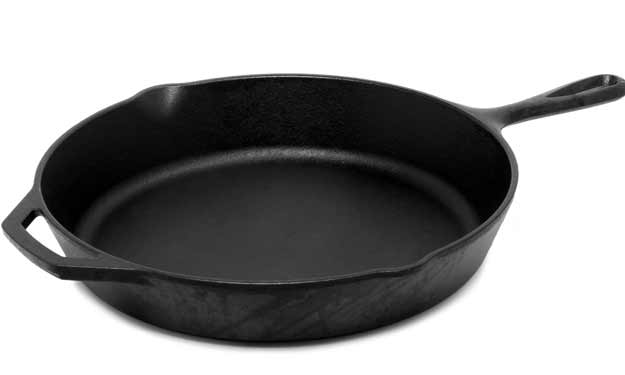
How to Clean and Season Cast Iron Pans
My grandmother had this big old black cast iron pan that she pulled out for just about every meal.
I used to look at the blackened pan, and I asked Grandma why she didn’t just get a new one – you know, one that didn’t look so old, used, and dare I say – dirty?
Grandma chuckled at my innocence and said, “It isn’t dirty dear; it’s just seasoned.”
Now I understand what she meant as my cast iron pan gets pulled out from the cupboard to make our own meals.
Still, there are times when I’m on autopilot and get ready to give it a good old-fashioned scrubbing. Thankfully I always catch myself, because a good old-fashioned scrubbing is not what you want to do.
After all, it takes a lot of meals to get the “seasoning” just right on a cast iron pan, and I don’t want to ruin it by cleaning it the wrong way.
Everyday cleaning techniques such as washing in the dishwasher, using soap and water or scouring can damage your pan and/or remove the seasoning.
So, where then do you begin? Let’s take a look.
Benefits of Cast Iron Pans
Cast iron cookware has been used for 100’s of years because it is very sturdy and withstands and retains heat well. The “seasoning” is essentially a non-stick coating formed from fats and oils being heated to high temperatures.
Cast iron cookware will last until the end of time if you care for it properly. A cast iron pan that has been handed down from generation to generation in your family may seem invincible, but in reality, it needs special care.
A seasoned pan prevents food from sticking naturally and protects the pan itself from exposure to liquids and rusting.
Cooking acidic foods in a cast iron pan (like the tomato sauce) can boost your iron intake, which is essential for maintaining energy levels and strengthening the immune systems.
Care and Cleaning of Cast Iron
Because regular cleaning methods can remove or damage the seasoning and cause rust, cast iron should not be cleaned like most other cookware.
What to Avoid
Grandma talked about the improper ways of cleaning and how I could end up taking off the seasoning and make the pan rust.
She told me if rust happens, everything you try and cook will stick to the pan and the pan will need to be re-seasoned, if not it will be a futile attempt at making a dish look and taste good.
Any of these items will remove seasoning and make your pan rust.
- Soaking the pan for extended periods of time in water
- Using soap when cleaning your pan will remove the protective coating
- Washing cast iron in the dishwasher
- Scrubbing cast iron with steel wool
- Using sharp implements to clean or dislodge debris
How to Clean Cast Iron
- Clean immediately after use by running hot water in pan and scrub with cloth or sponge that has no soap on it.
- Dry immediately after washing.
- If necessary to remove hard to clean food off the pan, do one of the following:
- Clean using a stiff nylon scrubby under hot water.
- Remove stuck on debris using kosher salt rubbed around with a paper towel.
- Heavy stuck on food deposits can also be loosened by boiling water in the pan on a stove.
I apply a very thin layer of vegetable oil to my pan after cleaning.
How to Season Your Cast Iron Pan
Seasoning is a process of coating cast iron pans with layers of oils or fat. A seasoned pan protects against rust, fills in the pitted surface and creates a smooth, non-stick cooking surface.
Your pan and its impervious non-stick surface will only get better with age as you cook with it.
You’ll get a better quality protective coating if you use a thin layer of oil to season your pan.
Over coating with a thick layer of oil will not allow the oil to dry properly and will not speed up the process. It will cause you to have to start the seasoning process over as the gunky, gummy, sticky oil is not good to cook with.
I can’t stress this enough, I’m guilty of over coating and have had to start all over again.
A soft gummy coating of oil when finished can also be caused by too short of a baking time or too low of a temperature.
- Put your pan in a cold oven.
- Turn the oven on 200 degrees and preheat your pan.
- Take the pan out of the oven when it reaches 200 degrees. Wear oven mitts!
- Wipe Crisco on the inside and outside of the pan in a THIN layer.
- Turn the oven up to 500 degrees F.
- Put the greased pan back in the oven, upside down on the bottom shelf lined with some heavy duty foil paper.
- Heat the pan for 1 hour. (Windows open and fan on!)
- Turn off the oven and let the pan cool while still in the oven. It will take about 2 hours to cool down completely.
- Repeat process if desired for a more effective nonstick surface and seasoning strength.
In order for the pan to season, the oil will be heated over its natural smoking point. This will produce smoke, and plenty of it.
The hot oven, the thin layer of oil and the long baking time will leave a hard, nonstick coating over the cast iron.
You may also have to re-season your pan every so often to keep food from sticking to the surface during the cooking process or if you have had to do a heavy duty cleaning on your pan.
Cooking with a Newly Seasoned Pan
Follow this seasoning procedure by cooking some sort of fatty foods in your pan the first few times you use it.
This will fill in the little pores and any irregularities of the pan and help the seasoning take hold and create a protective coating on the pan, helping to keep it in tip-top condition.
How to Remove Cast Iron Protective Coating
For one reason or another; signs of rust, built-up grime and gunk, you found your pan buried in a barn, or a thrift store; some of us want to start over with a fresh protective coating. To do this you’ll need to strip it down to the bare iron surface.
If using soap is mentioned, this will be one of the only times using soap is OK since you will be re-seasoning the pan.
Option 1: Strip Seasoning with Hot, Soapy Water
This method of cleaning a cast iron pan is for one that needs a regular stripping.
At some point if food starts to stick to the surface or you notice your pan becoming a dull gray it may be time for some scrubbing.
Wash the item in hot, soapy water and use a stiff brush to remove old seasoning.
Rinse and dry completely then re-season.
Option 2: Using Oven Cleaner, Vinegar and Water
To remove hard, old stuck on gunk and rust, following the instructions below:
- In a well-ventilated space (outside is best) and wearing a pair of gloves to protect your hands; coat your pan on all sides that needs cleaning, with a heavy spray of oven cleaner (Easy-Off is one spray you can use). I would also place an old towel or something under the pan before spraying.
- When you’re done spraying, you can place the item in a garbage bag to keep debris away keep the oven cleaner from dissipating as fast.
- Let the oven cleaner sit on the pan for 40 minutes, depending on how much build-up is on the pan, you may need to let it sit longer and you may also need to re-apply the oven cleaner once or twice more.
- When the build-up has been removed, wash the pan in hot, soapy water.
- If you have rust on the pan, soak in a bath of 50/50 white vinegar and water. Use enough for the item to be fully submersed in the solution. Let sit for 30 minutes then dry completely.
- Lightly scrub with super fine 0000 steel wool to remove the surface rust. Wipe with old towel or paper towel to remove any residue.
- Season your pan as described above.
When using vinegar and water, keep this in mind:
- Only soak the item in the vinegar mix for the least amount of time possible.
- Do not leave it overnight since the solution could eat heavily away at the metal.
Maintenance Tips
- Dry your cast iron pan immediately after cleaning. Never let cast iron air dry!
- Store your cast iron items in a cool dry place.
- If you live in an area with high humidity, do not store with the lid on the pan. This could possibly cause moisture and rust.
Now you know the in’s and out’s and do’s and don’ts of cast iron ensuring you have a great cooking pan for a lifetime of use.
Now you’re good to go. Grannie would be very proud!